Kitchen Remodel Horror Stories, and the Warning Sign That Came First
Six real remodels that went wrong, told by the homeowners, three of them in Texas: an abandoned kitchen, a missing beam, skipped permits and a sink three inches too small. Each had a warning sign first.
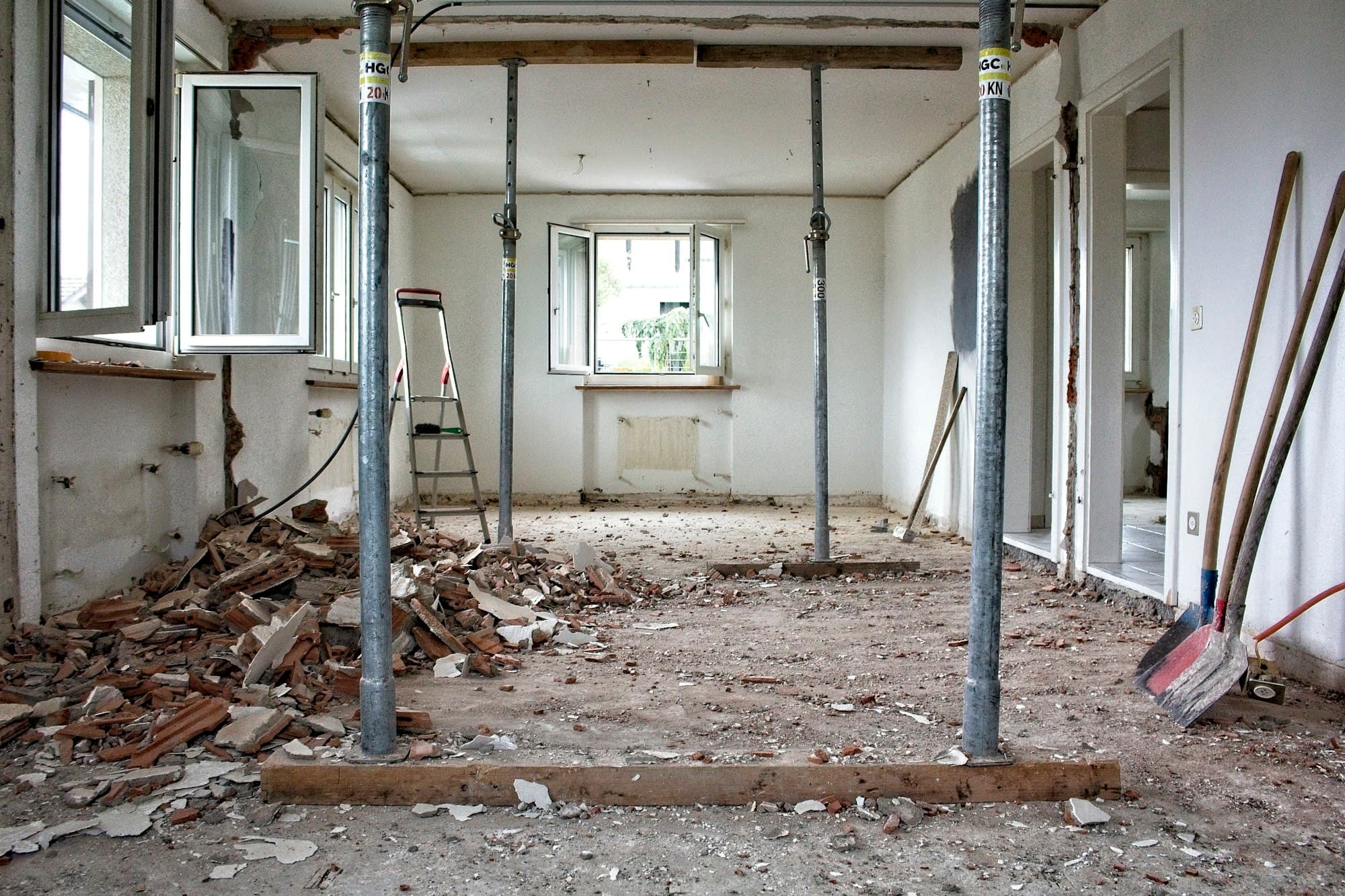
Every one of these is a real account, posted by the homeowner it happened to. None of them start with a contractor who seemed obviously bad. They start with a decent quote, a friendly first meeting, and one detail the homeowner noticed and let slide.
That detail is the useful part. Here is what it looked like each time.
Texas: the one-page contract and the permit he said you did not need
A Texas couple hired a general contractor for a $40,000 kitchen and bathroom remodel and paid $10,000 up front. The contract was one page: a few sentences, a small sketch, and the words "pay as we go." Before they signed, he told them permits were not needed "since all work is interior."
Demolition started. Then the homeowner learned that permits were required, because the job moved walls, wiring and plumbing. He stopped the work and insisted on permits. The contractor's answer was to ask for $16,000 more.
It went downhill from there. Weeks of no-shows. Another $8,000 collected for countertops. Then six weeks of nothing. The cabinetmaker came to the house to say he had never been paid, on this job or three others. A call to the city turned up the last piece: the contractor was not registered to pull permits there at all.
When the couple fired him, he announced a final bill of $72,500 and threatened to file a lien on the house.
The warning sign: both were there on day one. A one-page contract, and a contractor who says a kitchen remodel needs no permit. The homeowner wrote afterward that they "absolutely should have done more homework."
Reddit story: TX: Gen. Contractor Takes Money, Abandons Job, Threatens Liens For Huge Amount
Texas: the wall came out and the beam never went in
A Texas homeowner bought a 1970s house and hired a general contractor to remove the wall between the kitchen and the living room. The contractor agreed up front that the opening would need a header to carry the load.
When the job was done, the homeowner asked how the weight was being supported. The answer did not quite make sense. But the contractor built big, beautiful homes and seemed trustworthy, so he let it go. The attic had no ladder, so nobody looked.
After moving in, he bought a ladder and climbed up to run a cable. That is when he found out. There was no beam. The ceiling joists that used to sit on the wall were hung from the roof rafters with pieces of 2x4. An 18 foot span of ceiling was, as he put it, "being suspended from the roof" and "held up by a few nails."
The contractor's man came out, looked at it and called it a very strong install.
The warning sign: an explanation of the structure that the homeowner did not understand, accepted on trust. A wall that carries load gets a structural engineer's drawing and a city inspection before the drywall closes. Here is the right order.
Reddit story: Texas: Contractor removed load bearing wall and did not install a header
Texas: "he is on life support"
A Texas couple hired a contractor for a ten day refresh before they moved in: new kitchen backsplash, refinished butcher block counters, painted cabinets and doors, new stone on the fireplace. They paid 50 percent up front.
He missed the first day. For the next four he worked about two hours a day. Three weeks in, he sent a crew that did not know the job. They damaged the cabinets and painted the doors the wrong color.
Then he stopped answering. His wife, who ran the office, said he had been in an accident and was on life support. The homeowner checked. He was in the county jail.
The parting gift was in the plumbing. The crew had been pouring oil-based paint down the kitchen sink. It clogged the main sewer line and backed sewage up into the house. The next contractor tore out the fireplace stone and started over.
The warning sign: half the money paid before any work, then a no-show on day one. Once half is paid, every missed day costs him nothing and costs you leverage.
Reddit story: Legal Advice/Help (Texas)
The $40 permit fee that bought nothing
A homeowner bought a dishwasher from a big-box store and paid for installation. The receipt carried a line item: Permit fee, $40. It seemed odd for a dishwasher, so they called town hall. Their town did require one, because of the electrical connection.
The installer came, did the job and left. The homeowner called the town again to schedule the inspection and close out the permit. There was no permit. Nobody had filed one.
The warning sign: you paid for a permit and never saw a permit number. Ask for it in writing. A real permit has a number, shows up in the city's records and comes with an inspection. What needs a permit in Southlake is a short, knowable list.
Reddit story: Learned the hard way about Lowe's subcontractors. No permit pulled.
The wall came out, then the city showed up
A homeowner bought a house and started a kitchen remodel before moving in. The plan was simple: take out the kitchen walls and put in an island. No permit, no engineer.
A neighbor reported the work. A city inspector walked through, photographed the missing wall and issued a stop work order. The city wanted a structural engineer's report on the wall that was already gone, plus drawings showing how everything would be rebuilt.
A month later the house was still frozen. The homeowner was paying rent and a mortgage at the same time and was weighing whether to sell the house as it stood, at a loss.
The warning sign: the wall came out before the engineer and the permit. The order is engineer, permit, demolition. Reversing it is how a kitchen remodel turns into a legal problem.
Reddit story: Stop work order kitchen remodel
The sink that was three inches too small
Not every horror story is a crime. Some are a detail nobody wrote down.
A homeowner expected a 27 inch sink in a 30 inch cabinet. The countertop went in with a cutout for a much smaller one. The cabinet company said the homeowner had picked that sink. The homeowner said that was not true. The contract did not say either way.
By then the stone was cut and the faucet hole was drilled. The only fix was a new slab. The same company had also hung the range hood at chin height and called that standard.
The warning sign: a contract that says "sink" where it should give a model number. Every item you care about belongs in writing, with its size: the sink, the faucet, the hood height, the cabinet line. If it is not written down, the installer's guess is what you get.
Reddit story: Kitchen remodel, company puts a small sink in a 30 inch cabinet
What Texas law does about this
Worth knowing before you hand anyone a deposit.
Texas does not license general contractors, which is why the vetting falls on you. But taking a deposit and not doing the work is more than a broken contract. It can be prosecuted as theft under Texas Penal Code 31.03. An amount between $2,500 and $30,000 is a state jail felony, carrying 180 days to two years.
If it happens to you in Southlake, start with the police. Most of Southlake is in Tarrant County, where felony cases go to the Criminal District Attorney, whose Financial Fraud unit prosecutes theft and misapplication of funds. You can also file a complaint with the Texas Attorney General's Consumer Protection Division and, for licensed trades, the Texas Department of Licensing and Regulation.
The Attorney General's own guide is short and worth ten minutes: How to Avoid Home Improvement Scams.
The six that would have caught almost all of these
- Never pay half up front. Tie every payment to finished work. If a contractor cannot buy materials without your deposit, pay the supplier directly or walk away.
- Sign a real contract. Scope, price, payment schedule and a completion date, in writing, before demolition.
- Write down the details. Model numbers and sizes for the sink, faucet, appliances and hood. Cabinet line and door style. Counter material and edge.
- Get the permit number before work starts, and look it up with the city yourself.
- Engineer and permit before any wall comes out. Never after.
- Call three references from the last six months and ask what went wrong, not whether they were happy.
None of that requires knowing anything about construction. It requires asking for paperwork and being slightly annoying about it once.
More on the vetting side: how to vet a kitchen remodeler in Southlake and why not to hire a Chuck in a truck. To see what the work costs when it is done properly, the cost breakdown is here.
Frequently asked questions
Is contractor fraud a crime in Texas?
It can be. Taking payment and not performing the agreed work can be prosecuted as theft under Texas Penal Code 31.03. An amount between $2,500 and $30,000 is a state jail felony, which carries 180 days to two years. Report it to your local police department. Most of Southlake is in Tarrant County, where the Criminal District Attorney's Financial Fraud unit prosecutes theft and misapplication of funds.
What do I do if a contractor takes my money and disappears?
Document everything: the contract, every payment, all messages, and photographs of the state of the work. Report it to the police, file a complaint with the Texas Attorney General's Consumer Protection Division, and file with the Texas Department of Licensing and Regulation if a licensed trade was involved. For smaller amounts, a justice court claim is faster than hiring a lawyer.
How do I check whether a permit was actually pulled?
Call the city's building department with your address. In Southlake that is Building Inspections at 817-748-8236. A real permit has a number, appears in the city's records and comes with scheduled inspections. If you were charged a permit fee and nobody can produce a number, the money went somewhere else.
What is the most common remodeling scam?
A large deposit followed by delay. The contractor collects a third or half of the price before any work, does a day or two of demolition, and then stops showing up. It works because your leverage disappears once your kitchen is torn out. The defense is a payment schedule tied to finished milestones, written into the contract before anyone starts.
Can I withhold payment from a contractor?
Holding the final payment until the punch list is complete is standard and should be written into the contract. Withholding progress payments for finished milestones is riskier and can lead to a lien on your home. If a job is going wrong, put the disagreement in writing early instead of simply stopping payment.
Related posts
- Hiring & Permits
Why Not to Hire a Chuck in a Truck for Your Kitchen Remodel
What goes wrong when you hire the cheapest or least experienced contractor for a Southlake kitchen remodel: no insurance, no permits, liens, lost deposits and work that has to be redone.
- Hiring & Permits
How to Vet a Kitchen Remodeler in Southlake
The questions that separate a real remodeling contractor from a risk: license and insurance, payment schedules, contract red flags, and how to compare three bids that look nothing alike.
- Hiring & Permits
Do You Need a Permit for a Kitchen Remodel in Southlake?
When a Southlake kitchen remodel needs a building permit, which trades require their own, what inspections to expect, and why unpermitted work costs you at resale.